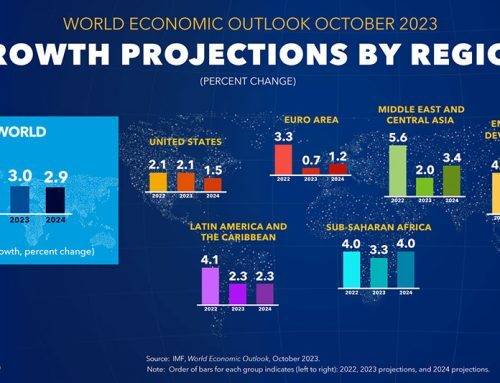
Supply chain disruptions and the COVID-19 delta variant are currently impacting key Latin American economies. Port congestion, raw material shortages and slowing demand are causing the manufacturing sector to soften in Brazil and Mexico. Additionally, elevated inflation rates remain a concern and could have a negative impact on 2021 GDP growth in the region.
The Leeco Trading team is prepared to help customers navigate these supply chain challenges and source the raw materials they need, when they need them. Contact us today to request a quote or learn more.
Market Metrics to Watch
Manufacturing PMI
Manufacturing PMI in both Brazil and Mexico fell month-over-month during August due to slowing manufacturing output, lower new orders and raw material shortages.
Capacity Utilization
Capacity utilization in both Brazil and Mexico fell month-over-month during July as production output softened.
Imports
Below is a chart showing January 2021 import levels for Mexico, Brazil and Chile. Imports to Brazil and Chile increased month-over-month, while imports to Mexico decreased.
Car Production Rises
Despite the ongoing semiconductor chip shortage, car production increased in Brazil and Mexico during the month of August. Car production in Brazil rose 0.3% month-over-month, while car production in Mexico rose 6.4% month-over-month. Mexico’s total car production also grew 13.3% year-over-year during the first eight months of 2021.
Elevated Inflation Rates
The annual inflation rate remained elevated in both Brazil and Mexico during the month of August. Brazil’s inflation rate increased month-over-month to its highest reading since February 2016. However, Mexico’s inflation rate eased month-over-month in August following two rounds of interest rate hikes.
Executive Perspective
Leeco Trading’s Commercial Director, Antonio Rosset, shares his insights on how supply chain constraints may impact the way manufacturers in Latin America source raw materials.
“Supply chain constraints remain a challenge for manufacturers across Latin America, and these disruptions are expected to continue over the next several months. During this time, it is important that manufacturers consider imports to ensure they have various options to get the raw materials they need, especially as domestic raw material prices remain elevated. Leeco Trading is prepared to help customers navigate supply chain challenges and source materials at a competitive price.”

Antonio Rosset, Commercial Director
Economic News to Follow
Recent economic news points towards mixed economic and manufacturing activity across key regional markets as 2021 outlooks remain uncertain.
Brazil Central Bank Raises Interest Rates
On September 22, Brazil’s central bank unanimously voted to raise its benchmark interest rate by 100 basis points to 6.25%. The central bank also indicated that they plan on making another rate hike in October to help combat surging inflation. According to economists, weakening currency and growing doubts about economic outlooks have forced the central bank to take an aggressive monetary approach.
Brazil Economic Outlooks Soften
Brazil’s economy unexpectedly contracted in the second quarter of 2021, decreasing 0.1% versus estimates of 0.2% growth. This unexpected contraction has led many economists to revise their GDP growth estimates for Brazil downwards. Experts say high inflation, monetary tightening policy from the central bank and a water crisis – which impacted the agriculture sector – contributed to the contraction.
U.S., Mexico Discuss Shared Supply Chains For Semiconductors
The U.S. and Mexico held a High-Level Economic Dialogue (HLED) for the first time in several years in mid-September, where the two countries discussed shared supply chains. Central to the discussion point were semiconductor chips, as they remain in shortage and are negatively impacting automakers in both countries. In addition to semiconductors, the two countries also agreed to create bilateral working groups on supply chains for medical devices and pharmaceuticals.
Shipping Supply Chain Crunch Worsens
Global shipping disruptions are persisting and expected to continue well into next year. Due to shipping container shortages, some manufacturers are being forced into bidding wars to get space on barges. High freight rates are also prompting exporters to raise prices or cancel shipments. Experts say that port congestion and supply chain disruptions are expected to continue until the COVID pandemic is contained.