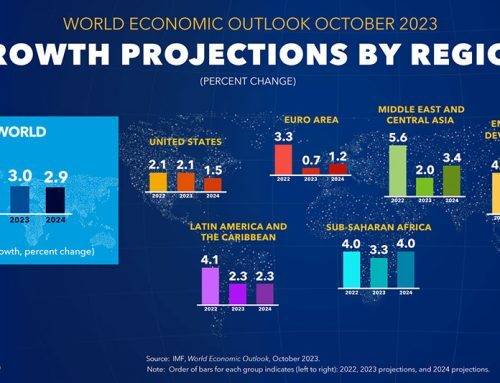
Economic outlooks remain mixed for Latin America as an initial surge in the manufacturing sector softened in key regional economies. Volatility in international supply chains and shipping costs due to the COVID-19 pandemic will likely continue in the near term as well.
Our team is monitoring market trends to ensure we are prepared to help customers strategically source metal and fine chemical products. Contact us today to connect with a knowledgeable representative and ensure you get the raw materials you need, when you need them.
Market Metrics to Watch
Manufacturing PMI
Mexico’s manufacturing PMI decreased month-over-month in December, marking the tenth straight contraction in factory activity. Brazil’s PMI also fell in December, but still indicates strong factory activity.
Capacity Utilization
Both Brazil and Mexico’s capacity utilization dropped month-over-month in November, which could indicate weakening manufacturing activity after the sector began to strengthen and recover in late 2020.
Imports
Below is a chart showing December import levels for Mexico, Brazil and Chile. Imports to Brazil, Mexico Chile surged, ending the year on a positive note.
Mixed Car Production
Car production jumped year-over-year in both Brazil and Mexico during December 2020, by 22.8% and 18.4%, respectively. However, both countries saw declines in the number of automobiles manufactured month-over-month, with production falling 12.1% in Brazil.
Currency Uncertainty
While Mexico’s peso continued regaining value, Brazil’s real saw devaluation amid concerns over the country’s fiscal sustainability. Reports that a new round of cash transfers might be in the works, along with inflation concerns, contributed to Brazil’s currency instability. Currency values above are as-of 1/26/2021.
Executive Perspective
Leeco Trading’s Commercial Director, Antonio Rosset, shares his insights on how volatile international shipping costs and supply chains will impact international trade during Q1 of 2021.
“Our team expects supply chains and shipping costs to remain volatile through the first half of this year. As businesses across Latin America start increasing production, it is crucial that they reach out to an international trading partner to strategically source the raw materials they need. Leeco Trading is prepared to assist customers during this time of market uncertainty.”

Antonio Rosset, Commercial Director
Economic News to Follow
Manufacturing and economic indicators in Latin America remain mixed as 2021 begins.
World Bank: Soft Economic Growth Likely for Brazil
According to a World Bank forecast, Brazil’s economy will likely grow 3% in 2021. While the latest forecast is 0.8% higher than their June 2020 estimate, it is not high enough to offset an expected 4.5% GDP drop for 2020. Economic stimulus programs fading and concerns about “uneven” economic recovery – particularly within the service industry – contributed to the bank’s modest forecast.
Ford to Close Brazil Manufacturing Operations
Ford Motor Co announced that it will close its three plants in Brazil this year due to weaker vehicle demand within the market. Production at two of the three Ford plants ceased immediately, while one will remain operational until Q4 of 2021. Industry vehicle sales in Brazil dropped 26% in 2020 and are not expected to recovery until 2023.
Mexico Inflation Eases, Opens Door to Interest Rate Cuts
Mexican consumer price inflation began to stabilize near the end of 2020 at a rate of around 3%, in line with their central bank’s target range. While the Bank of Mexico held its benchmark interest rate at 4.25% in their December meeting, they are expected to cut this rate to 4% during their February meeting, as inflation expectations in the longer term are expected to remain stable.
Shipping Container Shortage Causes Shipping Costs to Skyrocket
A critical shortage of shipping containers is causing shipping costs for goods from China to skyrocket, creating supply chain delays. An export surplus from China, limited air freight capacity and cancelation of new container orders in 2020 are all factors contributing to this shortage. Freight rates from China to the U.S. and Europe have increased 300% as a result.