Domestic steel and raw material prices are on the rise in key Latin American countries as economic recovery and manufacturing activity strengthen. As a result, many manufacturers in the region are struggling to control production costs and are therefore turning to international sources for their raw material needs.
Leeco Trading’s experienced team partners with quality suppliers across the globe and is prepared to help manufacturers control costs through raw material imports. Contact us today to request a quote or learn more.
Market Metrics to Watch
Manufacturing PMI
Brazil’s manufacturing PMI rose month-over-month during June, driven by solid rises in new orders and factory output. While Mexico’s manufacturing PMI remained at a level of contraction for the 16th consecutive month in June, it marked the slowest contraction in factory activity since the start of the COVID-19 pandemic.
Capacity Utilization
Capacity utilization slightly decreased month-over-month in both Brazil and Mexico, but remained relatively strong.
Imports
Below is a chart showing June import levels for Mexico, Brazil and Chile. Imports to Brazil and Mexico slightly increased month-over-month, but imports to Chile slowed month-over-month.
Mixed Car Production
Car production was mixed in Latin American’s largest economies during June. Car production in Brazil slumped 13.4% month-over-month, marking the smallest production level in a year. However, car production in Mexico rose 8.4% month-over-month, driven by stronger output levels from key automakers.
Currency Stabilizes, Inflation Concerns Remain
The Brazilian real moved away from one-year highs reached in June during the week of 7/26. However, analysts say inflation will remain elevated in the near term. The Mexican peso remained relatively stable during the week of 7/26, but consumer prices are expected to continue rising.
Executive Perspective
Leeco Trading’s Commercial Director, Antonio Rosset, shares insights on how domestic steel prices in Latin America are impacting imports.
“We are currently seeing significant cost-saving opportunities for manufacturers across Latin America who choose to import their raw materials due to slow domestic production and high demand. Brazilian manufacturers, in particular, can save as much as 32% by importing as opposed to sourcing domestically. Leeco Trading partners with a variety of trusted steel and metals suppliers across the globe and is prepared to help Brazilian manufacturers source quality steel while keeping raw material costs down.”

Antonio Rosset, Commercial Director
Economic News to Follow
Recent economic news points towards rising manufacturing activity, but overall economic outlooks remain uncertain.
ABIMAQ: Brazil Turns To Imports Amid High Domestic Prices
According to research from ABIMAQ – a Brazilian manufacturing association – more manufacturers in Brazil are turning to imports as domestic steel prices continue to rise. José Velloso, chief executive of ABIMAQ, stated that the price of some types of steel in Brazil are between 30% and 40% higher than prices of imported steel. Even after factoring in taxes, customs duties and freight, Velloso said that imported products are still 10% to 32% cheaper than domestic ones.
Mexico, U.S. Fail to Resolve Car Trade Rules
Mexico and the U.S. failed to resolve trade rules for cars in the new USMCA trade pact during a meeting that took place the week of July 18 between U.S. Trade Representative Katherine Tai and Mexican Economy Minister Tatiana Clouthier. Mexico and the U.S. are struggling to reach an agreement on rules of vehicle origin. Experts say if not resolved, this dispute could threaten the goal of boosting regional manufacturing under the new agreement.
Brazil Lifts Economic Growth Forecast
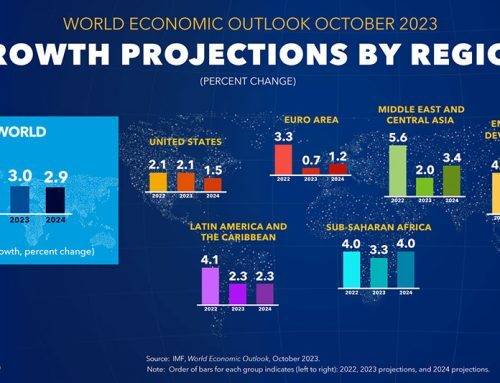
Brazil’s economy ministry raised its 2021 economic forecast for the country, stating that GDP should grow 5.3% this year, up from their previous forecast of 3.5%. However, Brazil’s central bank found that the economy shrank month-over-month in May, surprising many economists who expected it to grow. Despite this decrease, overall economic metrics show that Brazil is recovering strongly from the COVID pandemic.
Analysts Increase Mexico Inflation Forecast
As inflation surges in Mexico, analysts increased their year-end inflation forecasts to 6%, double the central bank’s target rate. Economic recovery, along with rising international oil prices, are some of the factors contributing to Mexico’s rising inflation. However, the Mexican government stated that many of the factors driving upward pressure on inflation are temporary or related to the pandemic.