Are you considering importing raw materials instead of sourcing domestically? Read Leeco Trading’s five biggest tips for importing metals and other raw materials.
International Trade: What You Need to Know About Importing Metals
In early March, a manufacturing association in Brazil invited me to speak about the process of importing steel and other metals into Latin America. I had excellent conversations during and after the presentation with audience members and wanted to share with our readers some of the main points of my presentation.
You can download my full presentation slides below, but this article will go into greater detail on certain topics than what is contained in the slides.
#1: Medium-Sized Businesses Can Benefit from International Trading
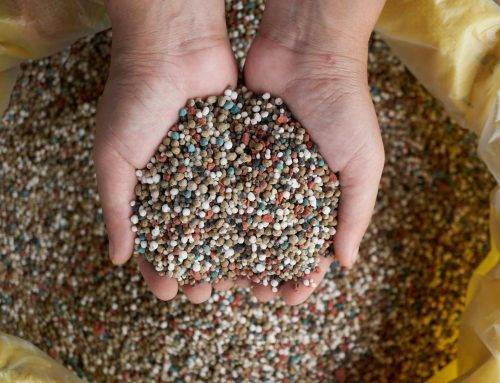
There is a misconception that only large companies can benefit from importing metals. This is simply not true. Any company that consistently uses any raw materials – such as steel coils or potash fertilizer – can often benefit from importing, dependent on the import country and any applicable tariffs.
The international market offers a wider selection of sources, particularly for metals. In most cases, especially when working with our customers in Latin America, raw materials can be sourced internationally and delivered at a similar or better quality for a lower cost.
Russia, Ukraine and South Korea are three of the largest exporters of metal materials that meet international quality standards. International trade allows manufacturers and fabricators around the world to access this high-quality, price-competitive material.
#2: Give Ample Lead Time
On average, South American companies should allow for an 82-day lead time on large-quantity metals orders (500 MT or greater). From order-placement to order-delivery, the lead time factors in the following phases: Production, International Transit and Domestic Delivery.

45 Days for Production
On average, it takes mills about 45 days to produce an order. Their process of taking orders for future production is often referred to as “filling the books.” A mill has a specific capacity it can produce, so orders are placed for future production based on a mill’s given and future workloads. When quoting lead time for future orders, mills reference their “book” of orders and can determine how long it will take to get to and complete your order.
Mill production time, of course, changes based on market conditions. During slow periods, production may take less than 45 days. During periods of high-demand, production may take an excess of 45 days.
The relationship between a mill and an international trader is very important as it relates to lead time. Traders know which mills tend to run on-time, which ones have tighter capacity in strong markets and many other contributing factors.
30 Days for Delivery to Destination Country
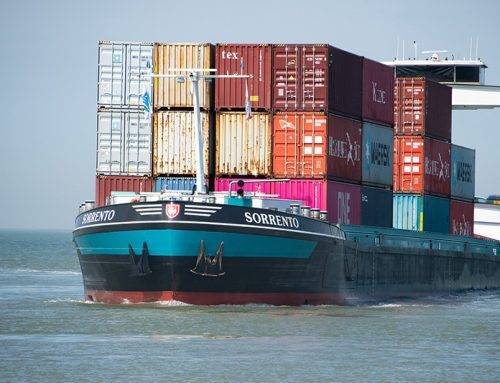
Once the material leaves a mill, it takes an average of 30 days to arrive to the destination country. This includes a combination of rail, truck and cargo ship transportation.
Knowing which transporters work best with given types of loads – whether that be metals or fine chemicals or other raw materials – helps ensure the materials are handled well and are not damaged during transit. Your trading partner’s knowledge of freight logistics between different regions is of great importance in keeping this lead time at or under 30 days.
7 Days for Customs and Final Delivery
Leeco Trading finds that it takes an average of 7 days for goods to be processed by customs and domestically delivered for customers in Latin and South Americas. Trading partners experienced in these regions are familiar with the required customs paperwork, which makes the customs process more efficient and less likely to experience delays.
#3 Financing Large Import Orders
Given the often-long lead times for imported goods, cash flow is always a major concern for companies importing metals and other raw goods. Producers want payment before goods are shipped, but buyers want to hold their cash until the goods are received.
There are many methods to overcome financing and cash flow challenges, but an international credit line is what many importers pursue.
International credit lines can be sourced from a bank, financial or export institution and allow buyers to hold their cash until their goods are received. The lending institution is responsible for issuing payment to the producer and assuming loss risk of the goods while they are in transit.
The lender charges the buyer an interest and a service fee for providing cash and assuming risk, but – for many buyers – the costs are absolutely worth the service. Additionally, the interest rate charged may be lower than domestic rates, furthering the appeal for importers.
The amount of credit extended is based on the financial health and credit worthiness of each buyer as determined by the lending institution.
International lines of credit are often vital tools for buyers, and making timely payments is critical to establishing future credit and enhancing future financing options. However, delayed payments will negatively affect credit worthiness and may limit financing options in the near and long term.
Leeco Trading works to find the best strategic financing solutions for each customer. These solutions include: open credit lines, letter of credit, financial currency hedges, credit insurance and more. The stronger a customer’s credit, the more financing solutions are available.
#4 What are Bonded Warehouses?
Another cash flow management tool available to importers are bonded warehouse (also known as “customs warehouse”). These facilities store imported goods for up to one year and allow customs duties to be paid as the imported goods are removed. They are particularly popular for metals imports, as metals are non-perishable and can be accessed as-needed over a period of time. Compare this to fertilizers, where an entire import order is used at once.
Leeco Trading facilitates this type of solution for many of our clients, especially those with longer or cyclical sales cycles. Imported goods are often lower cost and similar-or-higher quality as materials sourced domestically, but buyers must buy greater quantities of the material at a time.
A bonded warehouse lets the buyer take advantage of importing goods while not requiring them to store and pay duties on the entire stock of material at once.
Bonded warehouses are an important tool for importing companies, but they do require experience to set up and manage. If interested in bonded warehouse solutions, you should partner with an international trading company with experience in this area.
#5 Your Trading Partner Is Critical
I can never stress enough the importance of finding a trading partner that aligns with your needs and objectives. Finding a partner that understands your domestic market and the material you are trying to source is essential. But additional services – such as financing and assistance with customs – may or may not be important to your company.
Leeco Trading is always happy to discuss your goals and situation to determine if we can help add value to your business. I encourage you to contact our team today to learn more.
For additional trading insights, watch my video that provides key information about importing raw materials. This video discusses incoterms, international credit lines and other factors that manufacturers should understand before importing metals.